
Employees accrue vacation and sick time at the same rate with a combined policy. For example, an employee Retained Earnings on Balance Sheet might earn one day of vacation and one day of sick time per month. Since part-time and full-time employees work a disparate amount of time per week, they earn vacation time differently as well. Employers often set limits to manage the financial responsibility of saved time. The most common limit is an accrual cap, which stops an employee from earning more time once they reach a certain balance. In this situation, the worker must usually use some of their saved time before they can start earning more vacation hours again.
- As vacation time accumulates progressively, employees are motivated to stay longer with the company to enjoy the full benefit of their earned time off.
- Similarly, for sick leave, a common cap might be 15 days, beyond which unused sick leave doesn’t accumulate from year to year.
- This is a common misunderstanding among foreign employers applying global HR models.
- Managers can delete or add new types of PTO, making it paid or unpaid, and setting it so only a subset of employees have access to a certain time off type.
- Because it had been years since she last conducted a job search, she didn’t realize how outdated her approach was until she took advantage…
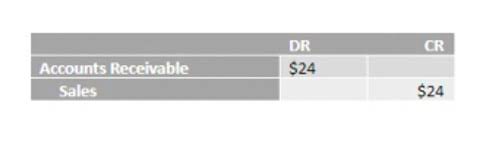
- Remember, accrued vacation time is a real liability on your balance sheet and impacts your income statement.
Equal vs. progressive leave time policy
For further insights into managing vacation time and accruals, explore resources like The CFO Club’s articles. On the other hand, a carry-over policy allows employees to roll unused vacation days over to the following year. This way, your staff members don’t have to feel pressured to use all their days off in one year and can collect considerable leave time for a long-term vacation. Instead of receiving a lump sum of vacation days at the beginning of the year, employees typically accrue vacation hours based on the number of hours they work.
Recording Accrued Vacation: Journal Entries Explained
The organization must therefore keep an updated accrued vacation journal where unused vacation time will be recorded. Keeping an accurate record of unused vacation time will go a long way in ensuring that the accounting books of the organization balance at each point. If you’re an employee in Colorado with unused vacation time, it’s important to understand your rights and your employer’s obligations. While Colorado law does not require accrued vacation employers to offer paid vacation time, they must comply with certain legal requirements if they do.
Payout Requirements Upon Separation from Employment

The evidence and testimony presented at the Labor Commissioner’s hearing will not be the basis for the court’s decision. In the case of an appeal by the employer, DLSE may represent an employee who is financially unable to afford counsel https://mylawyerinbilbao.com/real-life-examples-of-opportunity-cost/ in the court proceeding. Learn about over accrue, its causes and effects on your business, and how to avoid financial pitfalls with expert advice and best practices.

- This way, higher annual vacation allowance becomes a reward either for one’s commitment to the workplace or their direct contribution to business growth and development.
- Daily PTO accrual means employees earn paid time off in increments for each day they work, while monthly PTO accruals are earned once per month.
- In contrast, employees with over five years of service may receive an enhanced accrual rate, accumulating 1.67 days per month, or 20 days annually.
- This is important because employees are likely entitled to be paid for their time off, whether it’s holidays, sick days, or other approved reasons.
- So, for example, if an employee has accrued seven days of vacation pay, they can take seven paid days off at their regular rate of pay.
- Ensure your accrual policies are clearly laid out in the employee handbook or contract.
- Accrued vacation time is a valuable employee benefit, but it also represents a real financial liability for your business.
PTO accrual especially comes into play at the end of the year or when an employee leaves your business. Incorrect handling of vacation pay or bonuses commonly results in payroll corrections, retroactive payments, and increased exposure during labor inspections or employee claims. Even when vacation days remain outstanding beyond the anniversary date, legal limitation periods still apply to any claim for unpaid or ungranted vacation. Employees and their supervisors are mutually responsible for planning and scheduling the use of employees’ annual leave throughout the leave year. Employees should request annual leave in a timely manner, and supervisors should provide timely responses to employees’ requests. Under specific federal contract labor standards, vacation and holiday fringe benefit requirements are specified in wage determinations.
- When an employee receives a raise, their accrued vacation liability increases.
- Employees might earn general personal time off hours that they can delegate toward vacation, sick, or personal time.
- For example, an employee might earn a set number of vacation hours for each pay period, week, or month they work.
- These payments are mandatory and must be handled correctly in payroll to avoid underpayment claims or audit exposure.

Accrued vacation pay is the amount of time-off pay earned by employees, but not yet used by them. The amount of accrued vacation is a benefit to employees, and a liability to the employer. If an employee does not use accrued vacation time by the end of his or her employment, the remaining unused amount is paid by the employer, based on the last hourly rate paid to the employee.